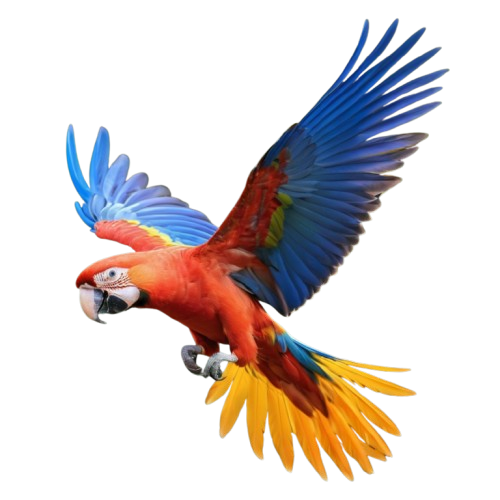
Macaw parrot breeders in Utah
Finding the right bird means connecting with dedicated Macaw parrot breeders in Utah who understand the unique environmental challenges of the High Desert and the specific social needs of these intelligent psittacines. Whether you are searching for a vibrant Scarlet, a calm Green-winged, or a playful Blue-and-Gold, navigating the local landscape of aviculture in cities like Salt Lake City, Provo, or St. George requires a focus on health testing, socialization, and weaning practices.
This comprehensive guide, curated by Michael Anderson at MACAW PARROTS FOR SALE HOME, provides an insider’s look at the top breeding resources in the Beehive State, offering practical advice on climate control for tropical birds and a list of reputable sources to ensure your new companion is healthy and well-adjusted for a lifetime of companionship.
Key Takeaways
- Climate Matters: Macaw parrot breeders in Utah emphasize the need for significant humidity supplementation in our dry, high-altitude environment.
- Selection Process: Prioritize breeders who offer DNA sexing and comprehensive disease screening (PBFD, Polyomavirus).
- Socialization: Look for hand-reared babies that have been exposed to family life, which reduces future behavioral issues.
- Trustworthy Sources: Use local avian clubs and specialized veterinarians to verify the reputation of any breeder before placing a deposit.
The Landscape of Macaw Parrot Breeders in Utah
When you live in a place like Utah, the environment isn’t exactly a rainforest. I’ve spent a lot of years working with these magnificent creatures, and the first thing I tell anyone looking for Macaw parrot breeders in Utah is that the local climate plays a massive role in how these birds are raised. In the Salt Lake Valley, we have those crisp, dry winters and scorching summers. For a macaw, whose ancestors thrived in the humid canopies of Central and South America, this requires a breeder who knows their stuff.
I think there’s a certain kind of dedication found among Macaw parrot breeders in Utah. They aren’t just putting birds in cages; they are fighting the elements to keep humidity levels high and temperatures stable. If you visit a breeder in Sandy or Ogden and you don’t hear a humidifier humming in the background, well, that’s usually a sign to keep looking. At MACAW PARROTS FOR SALE HOME, we’ve seen how much a bird’s early environment dictates its lifelong health, and Utah breeders have a unique set of hurdles to clear.
Why Buy from Macaw Parrot Breeders in Utah Locally?
There is a huge temptation to just order a bird online and have it shipped to the airport. I get it. But searching specifically for Macaw parrot breeders in Utah gives you an advantage that shipping simply can’t match: the visit. I’ve had people drive all the way from Cedar City to Salt Lake just to spend thirty minutes with a baby Blue-and-Gold.
Why does that matter? Because macaws are highly emotional. When you work with Macaw parrot breeders in Utah, you get to see how the bird reacts to you. Does it lean in? Is it terrified? A bird is a 50-year commitment. You wouldn’t marry someone without meeting them, so why buy a macaw that way? Plus, you save the bird the immense stress of a flight. In my experience, a bird that comes from Macaw parrot breeders in Utah and goes to a Utah home adjusts much faster because it’s already somewhat acclimated to the altitude and the general household rhythms of the region.
Species Variety Among Macaw Parrot Breeders in Utah
Utah has a surprisingly diverse avian community. If you look closely at the network of Macaw parrot breeders in Utah, you’ll find that different folks specialize in different “vibes” of birds.
The Blue-and-Gold Macaw
These are the most common birds you’ll find when calling Macaw parrot breeders in Utah. They are the classic choice for a reason. They are social, relatively hardy, and their personality is usually pretty outgoing. Most breeders in the Provo area seem to have a soft spot for these beauties.
The Military Macaw
A bit more niche, but I know a couple of Macaw parrot breeders in Utah who focus on these. They are a bit smaller than the giants, but they have a lot of “spirit.” Sometimes they can be a bit more temperamental, but for the right owner, they are incredibly rewarding.
The Mini Macaws (Hahn’s and Noble)
If you are in a downtown SLC apartment, you might be looking for Macaw parrot breeders in Utah who work with the smaller species. They give you the “big bird” personality without needing a cage the size of a walk-in closet. I’ve noticed a growing interest in these smaller guys lately, perhaps because they fit our modern lifestyles a bit better.
A Detailed List of Macaw Parrot Breeders in Utah and Regional Resources
Finding a reliable list can be a bit like a treasure hunt because many of the best Macaw parrot breeders in Utah are hobbyists who don’t spend a lot of time on social media. They are too busy cleaning cages and hand-feeding babies. Here is a rundown of where to look and who to talk to:
- The Wasatch Avian Education Society (WAES): This is your first stop. While they aren’t a breeder themselves, they are the hub for Macaw parrot breeders in Utah. Their members include some of the most experienced bird people in the state.
- Shadow Mountain Aviary: Known in the region for a variety of psittacines. They often have insights into the local Macaw parrot breeders in Utah community and emphasize healthy, socialized chicks.
- The Bird Lady (Ogden/North Valley): A common name mentioned in local circles. People who specialize in hand-rearing often have the best-adjusted babies because they spend so much time on “floor time” with the birds.
- Local Avian Veterinarians: Call the Parrish Creek Veterinary Clinic in Centerville. They see the birds from all the major Macaw parrot breeders in Utah. If a breeder is producing sick birds, the vet knows. If they are producing champions, the vet knows that too.
- Exotic Bird Fairs: Utah occasionally hosts bird expos. This is where many Macaw parrot breeders in Utah bring their current clutches for display. It’s the best way to see multiple species in one afternoon.
- Utah Valley Bird Club: Similar to WAES, this is a great group of folks in the southern part of the valley. Many hobbyist Macaw parrot breeders in Utah hang out here.
- Specialized Feed Stores: Places that sell high-end pellets (like Harrison’s or ZuPreem) often have “chick for sale” flyers from local Macaw parrot breeders in Utah.
- Niche Hobbyists in St. George: The climate is different down there, and I’ve met a few Macaw parrot breeders in Utah who take advantage of the warmer weather to have outdoor flight aviaries for part of the year.
- Social Media Groups: Search for “Utah Bird Owners.” You’ll quickly find who the respected Macaw parrot breeders in Utah are and, more importantly, who to avoid.
- MACAW PARROTS FOR SALE HOME: We act as a bridge, helping you vet these sources and providing the after-care support that many small-scale Macaw parrot breeders in Utah might not have the time for.
Climate Control: A User’s Guide for Utah Macaw Owners
If you buy a bird from Macaw parrot breeders in Utah, you have to be prepared for our weather. It’s not just about keeping them warm; it’s about keeping them “wet.”
The Humidity Struggle
In Salt Lake, our humidity can drop to single digits in the winter. A macaw’s skin will get dry and itchy, leading to feather plucking. I always tell people that if you buy from Macaw parrot breeders in Utah, your first secondary purchase should be a top-of-the-line evaporative humidifier. Don’t use the ultrasonic ones that create white dust—that’s bad for their lungs.
Sunlight and Vitamin D
Because we spend so much time indoors in the winter, Utah birds often lack Vitamin D. Macaw parrot breeders in Utah will often suggest full-spectrum lighting. It helps with their mood and their calcium absorption. It’s a small thing that makes a huge difference in the “screaming” levels of a bored, dark-dwelling bird.
Transactional Guidelines: Buying from Macaw Parrot Breeders in Utah
When you are ready to make a move, you need to be smart. Macaw parrot breeders in Utah should be transparent. Here is what you should expect:
- Deposits: Most Macaw parrot breeders in Utah will ask for a deposit to hold a bird while it’s being weaned. Make sure this is documented.
- The Weaning Process: A reputable breeder will never let a bird go before it is “closed.” This means it’s eating on its own and isn’t begging for a syringe. I’ve seen people get impatient, but a good breeder among Macaw parrot breeders in Utah will stand their ground for the bird’s sake.
- Health Paperwork: You want to see the DNA sexing card and the results of a recent vet check. If you’re working with MACAW PARROTS FOR SALE HOME, we make sure these documents are front and center.
Conclusion
Finding Macaw parrot breeders in Utah is the start of a massive adventure. These birds aren’t just pets; they are companions that will likely outlive your car, your house, and maybe even your patience on a Tuesday morning when they decide to scream at the toaster. But the bond you get from a bird raised by high-quality Macaw parrot breeders in Utah is something you can’t describe until you’ve experienced it.
At MACAW PARROTS FOR SALE HOME, we are here to help you navigate this community, ensuring you find a bird that is as healthy as it is beautiful. Utah is a great place to be a bird owner, provided you have the right guidance and the right breeder in your corner.
Frequently Asked Question
Q: Do Macaw parrot breeders in Utah recommend keeping birds outdoors during the summer?

A: It’s a bit of a “yes and no” situation. Many Macaw parrot breeders in Utah will tell you that the natural sunlight is incredible for their health. However, our summer sun can be brutal. If you have an outdoor aviary, it must have a shaded area and plenty of water. Also, you have to watch out for local predators like hawks and even the occasional neighborhood cat. Most Macaw parrot breeders in Utah suggest “supervised” outdoor time or a very secure, double-screened enclosure. And remember, once the sun goes down and the temperature drops (as it does in the desert), it’s time to bring them back into their humidified indoor space.